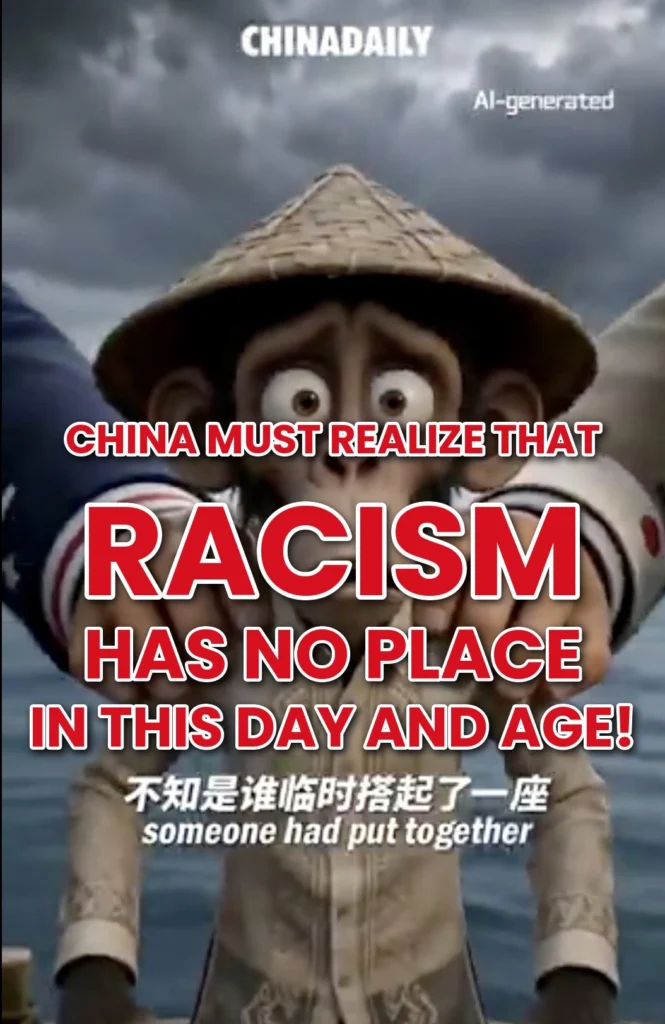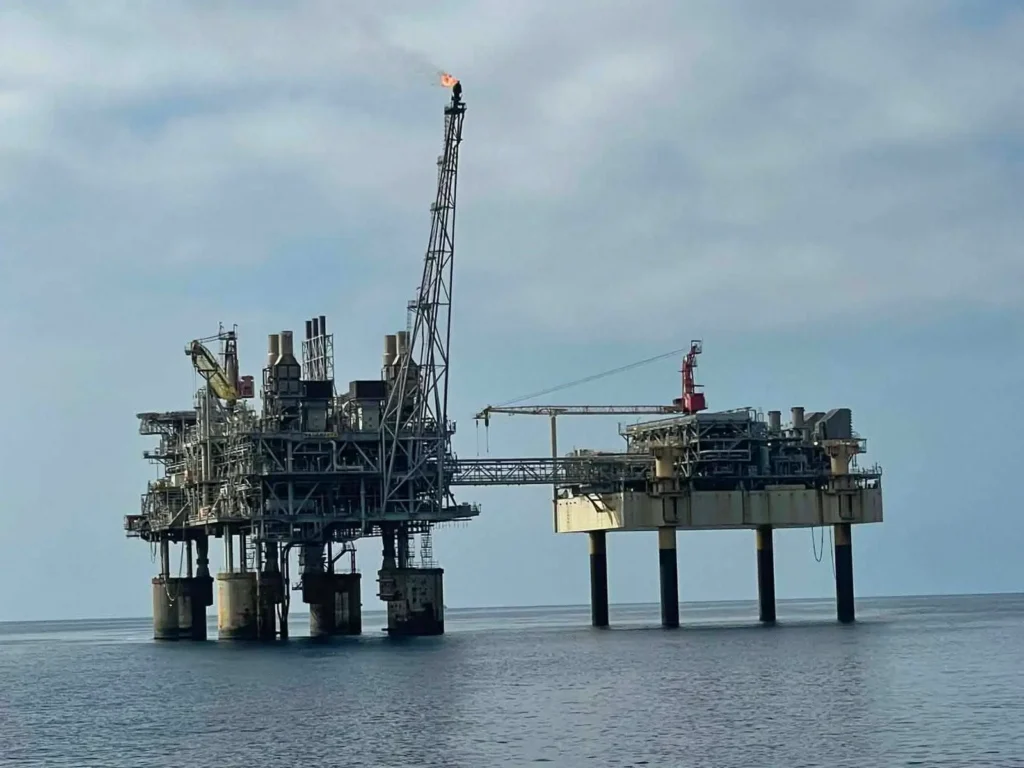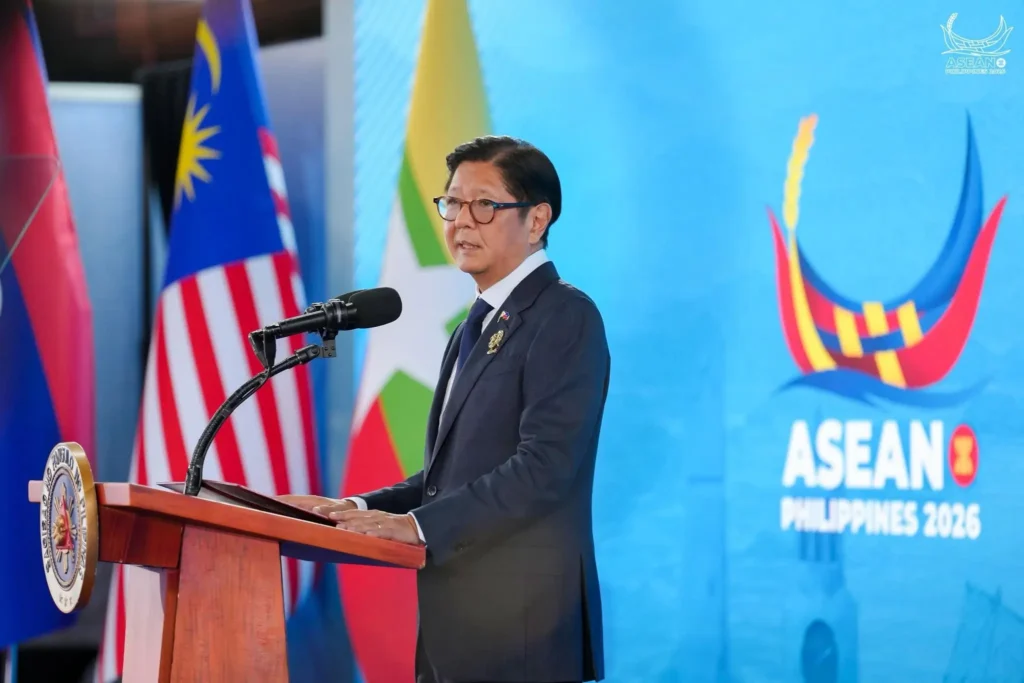

A decade after the South China Sea arbitration ruling, the dispute is no longer contested only at sea or in tribunals. At an alarming pace, it is increasingly fought through information warfare on social media platforms, where algorithms dictate visibility and mis/disinformation travels far beyond the disputed waters themselves.
A search for “South China Sea” on YouTube today no longer leads only to mainstream news coverage. A quick review of the 50 channels most prominently surfaced by YouTube’s search system in mid-May 2026 shows a rapidly evolving information ecosystem where legacy news organizations coexist alongside niche geopolitical commentary channels and highly politicized content creators competing to shape how maritime tensions are understood online.
Among these 50 channels, the top three channels with the highest subscriber counts were the South China Morning Post (4.32 million subscribers), 南海观察 SCSR (37,700 subscribers), and PrOgReSziVe FiLiPiNaS (13,700 subscribers). The dataset suggests that YouTube’s search ecology around the South China Sea is not dominated solely by legacy news media, but also by smaller geopolitical commentary channels.
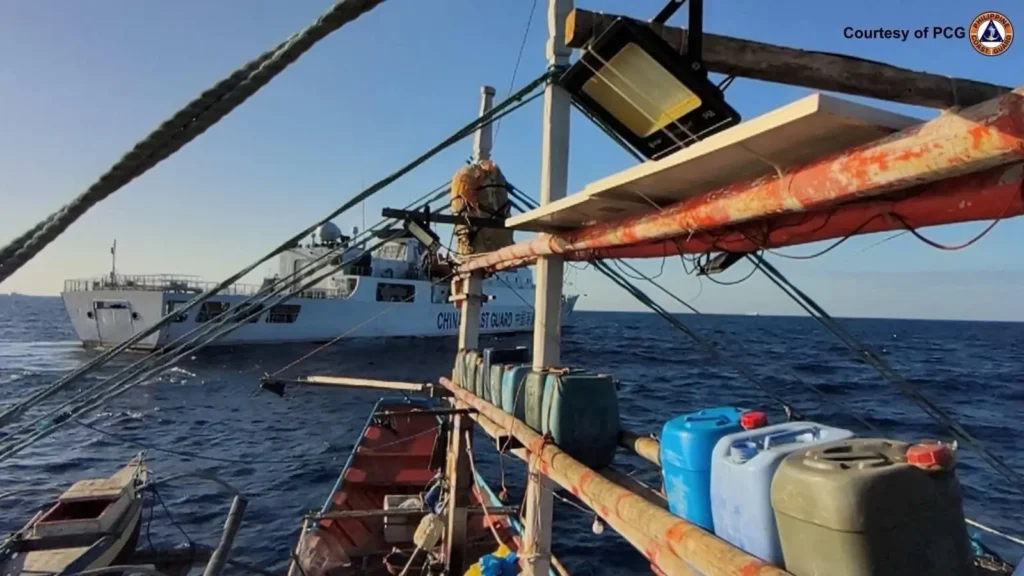
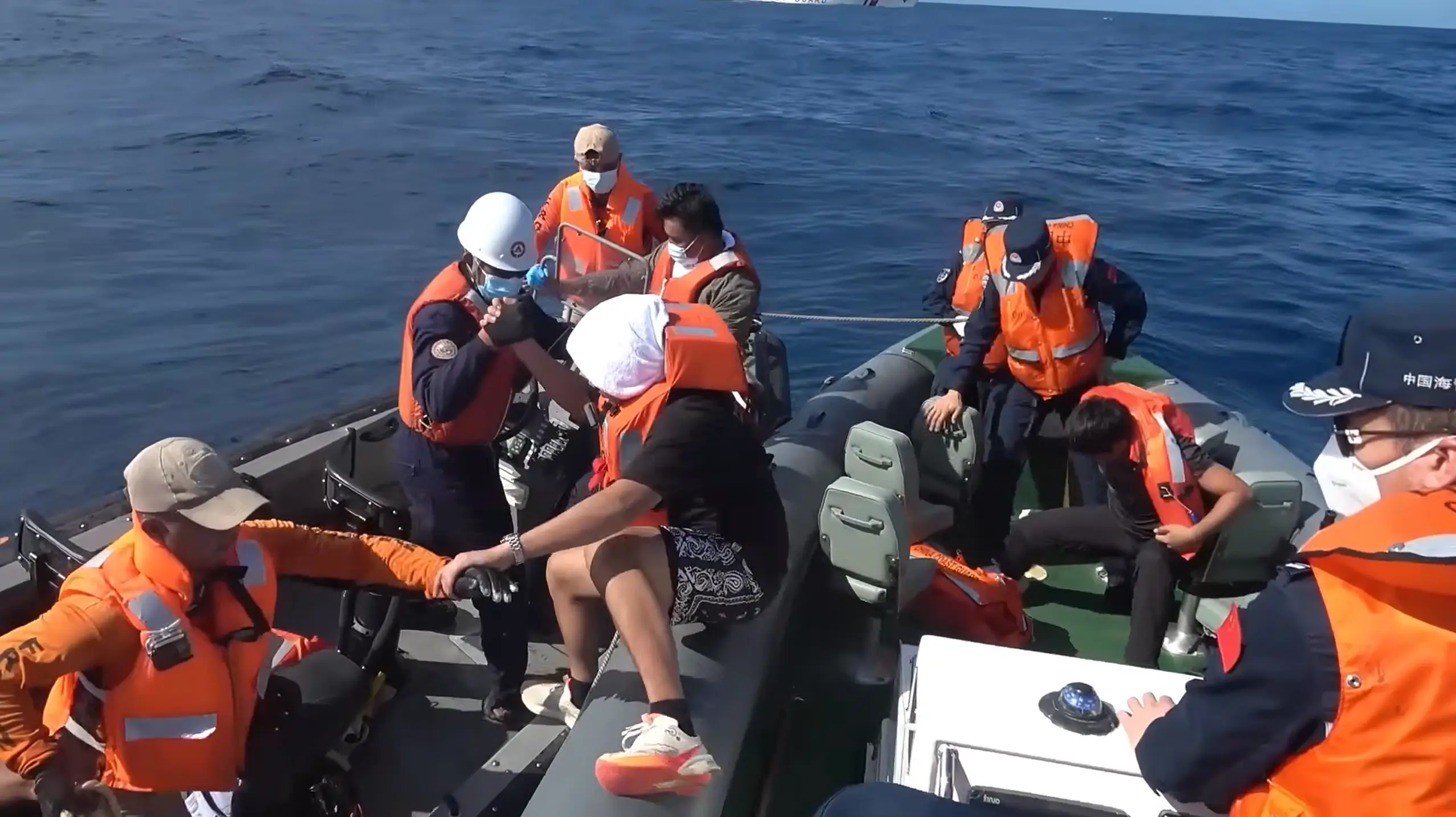
One notable example is 南海观察 SCSR, a channel whose self-description reads: “Everything About the South China Sea 🙂”. Although the channel was newly established in June 2025, it had already published 37 South China Sea-related videos, with total views of almost 3 million by the time of collection. Some videos gained significant traction within a relatively short period. For example, a video uploaded on 29 January 2026 documenting a China Coast Guard rescue operation involving Filipino crew members near Scarborough Shoal accumulated more than 50,000 views. The video framed the incident not as a maritime confrontation, but as a humanitarian rescue mission in which Chinese authorities protected Filipino sailors and received gratitude from the Philippines.
However, beyond individual incidents, the broader discursive pattern of the content relies on historical memory, legal discourse, and war narratives to construct legitimacy around China’s position in the South China Sea. Rather than presenting maritime disputes merely as contemporary geopolitical disagreements, the videos repeatedly reposition them within longer narratives of anti-colonial struggle, wartime sacrifice, post-war order, and national restoration.
Two dominant themes appear repeatedly in the 37 video descriptions: law and war. The channel also uses international legal history selectively. Several videos reference the Cairo Declaration and Potsdam Proclamation to argue that the post-World War II order already settled questions surrounding the South China Sea. In these narratives, Chinese sovereignty is presented not as an ongoing dispute, but as an established historical and legal fact that is being unfairly challenged by external actors. It becomes a narrative instrument selectively used to legitimize state action, delegitimize opponents, and claim moral authority in the information warfare.
Equally significant is the recurring use of “war” and war-related historical memory. The dataset repeatedly invokes the “Chinese People’s War of Resistance Against Japanese Aggression,” the “World Anti-Fascist War,” wartime sacrifice, militia mobilization, and the post-war recovery of maritime territories. Videos celebrate the “recovery” of the Paracel and Spratly Islands after World War II and frame wartime anti-fascist victory as the historical foundation of present-day maritime sovereignty. With this, the South China Sea is transformed from a contemporary territorial dispute into an extension of unresolved historical justice.
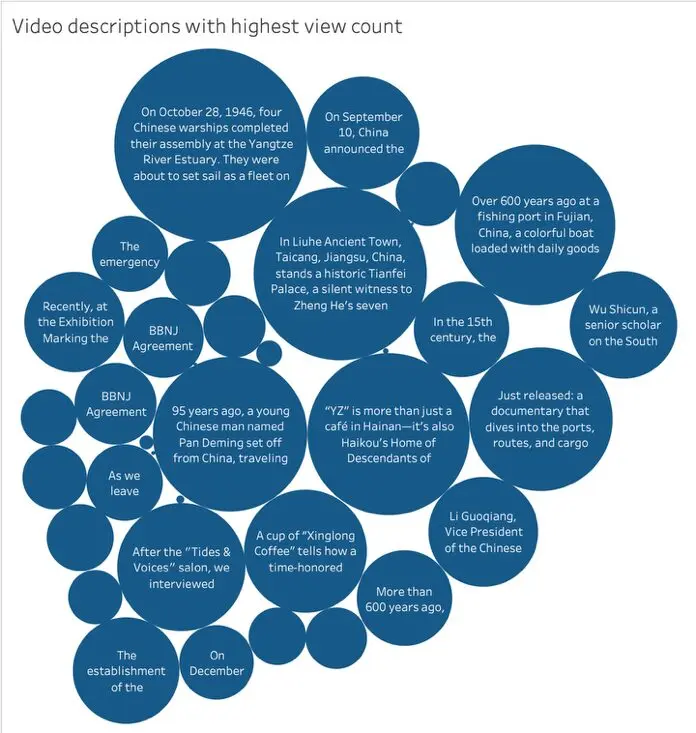

The charts suggest that the most amplified South China Sea content on YouTube is less about direct military confrontation and more about history, culture, and civilization. Many of the most-viewed videos build a long historical connection between China and the maritime region through references to Zheng He’s voyages, “600 years ago”, heritage, folklore, and memory. Together, these narratives present China’s presence in the South China Sea as something longstanding, natural, and deeply rooted in culture rather than recent or expansionist.
The narrative also reflects what leading South China Sea expert Gregory Poling said as the tendency within Chinese strategic narratives to deny the independent agency of Southeast Asian claimant states by framing their actions primarily as sources of “trouble” or external manipulation rather than legitimate expressions of national interest.
Importantly, the dataset does not rely exclusively on overtly militaristic rhetoric. Many videos combine war memory with softer narratives about marine environmental protection, humanitarian rescue, cultural exchange, Zheng He voyages, maritime heritage, and Southeast Asian connectivity. Videos discussing Indonesian songs, Filipino proverbs, Vietnamese poetry, or wartime overseas Chinese communities operate alongside videos about coast guard confrontations and territorial disputes. This blending of soft cultural storytelling with hard geopolitical messaging reflects a more sophisticated form of strategic narratives designed for digital platforms.
The observation illustrates how mis/disinformation in the South China Sea cannot be understood solely through fabricated content or false claims. Much of the persuasive power comes from strategic narratives, selective historical narration, affective storytelling, and repeated discursive associations between legality, morality, and war memory. On platforms such as YouTube, these narratives are further amplified by algorithms that reward emotionally charged, visually engaging, or easy to watch. As a result, maritime disputes are increasingly mediated not only through diplomacy and naval operations, but also through platformized information ecosystems where legitimacy itself becomes borderless contested terrain.