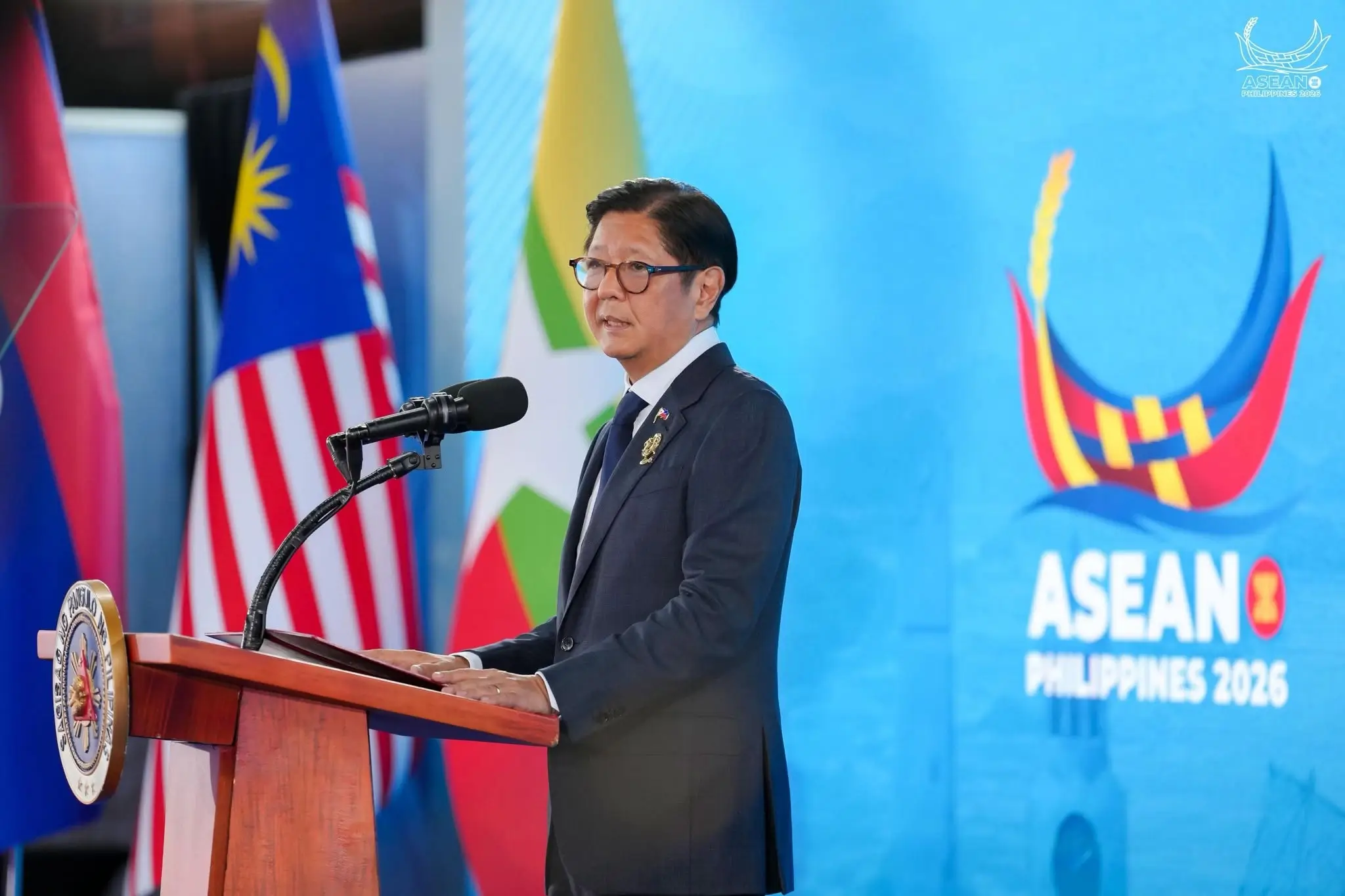

Speaking in Cebu last month, President Ferdinand Marcos Jr. of the Philippines announced his intention to establish a new ASEAN Maritime Center to be hosted in the Philippines. Manila currently holds ASEAN’s annually rotating chairmanship and the timing suggests that the Philippines, as an archipelagic state that has long been at the sharp end of China’s maritime expansionist tactics, intends to utilize the ASEAN chair role proactively. According to Malacanang, ASEAN has approved the initiative.
While it is fair to say that expectations for the new center’s practical value are low, particularly among maritime security experts, it’s worth considering what activities the new institution could usefully pursue, and how it should differentiate itself from other multinational maritime centers already established in Southeast Asia.
Beyond the President’s address and an accompanying statement, details of the proposed new center remain sketchy. Marcos appeared to be equally at pains to outline what the proposed new center won’t be doing, as much as what it will do, qualifying that its establishment “is about freedom of navigation in Southeast Asia – not the situation in the South China Sea”. The President also stressed that “the ultimate reason for having this Maritime Center is not to confront or… push back on any single force or any single country”. These caveats appear aimed at reassuring the Philippines’ wary, fellow ASEAN members that the new initiative will not embroil them in Manila’s maritime disputes with Beijing. As such, they also underline inherent differences within ASEAN that are likely to constrain the effectiveness of the new center, beyond the symbolism of its location in the Philippines.
According to Malacanang, the new regional maritime center is intended to enhance coordination on “multi-dimensional” maritime issues in the region. More ambitiously, it is also meant to “consolidate the maritime operations of the 11 member states”, though what this means in practice is not further defined. Manila describes the initiative “as a product of Philippine efforts towards safe navigation between ASEAN nations”, in relation to the recently adopted ASEAN Declaration of Maritime Cooperation, as well as serving the general goal of “more secure cooperation and coordination between ASEAN member states”. Manila has left open the possibility that maritime stakeholder countries beyond ASEAN could become involved.
Despite Manila’s efforts to cast the proposed center’s remit beyond the South China Sea, one of its explicit aims is “to establish ease of trade in the South China Sea and avoid problems such as that experienced in the Strait of Hormuz”. This clear nod towards inter-state security tensions in the South China Sea may be welcomed in Washington, as the Philippines’ military ally, but it somewhat undermines Marcos’s assurance that the new center will not be focused on the South China Sea. Such contradictions add to the impression that the new center’s mission has not been deeply thought through beyond a desire to host some of ASEAN’s maritime institutional architecture in the Philippines.
One obvious challenge for the new center is deconfliction from two existing regional maritime security coordination centers, both located in Singapore. Indeed, Singapore frequently identifies itself as Southeast Asia’s maritime ‘hub’, including hosting the ReCAAP Information Sharing Center, which concentrates on countering piracy and crimes against merchant shipping, set up in 2006 with support from Japan. Since 2009, Singapore’s navy has additionally hosted a multinational Information Fusion Center, with a broad-based remit to “to facilitate information-sharing and collaboration between its partners on such wide-ranging maritime security challenges as “piracy, sea robbery, maritime terrorism, contraband smuggling, illegal fishing and irregular human migration”. The IFC does not report on naval or other military activities, because of their obvious sensitivity – though it does serve as the secretariat for an annual meeting of ASEAN naval chiefs. While these are not ASEAN institutions, it is not clear how a new ASEAN Maritime Center in the Philippines would functionally add to the ISC and IFC, which already have a degree of overlap. Singapore will follow the Philippines as the next ASEAN chair, so securing its ‘buy-in’ will be helpful to the new center’s success.
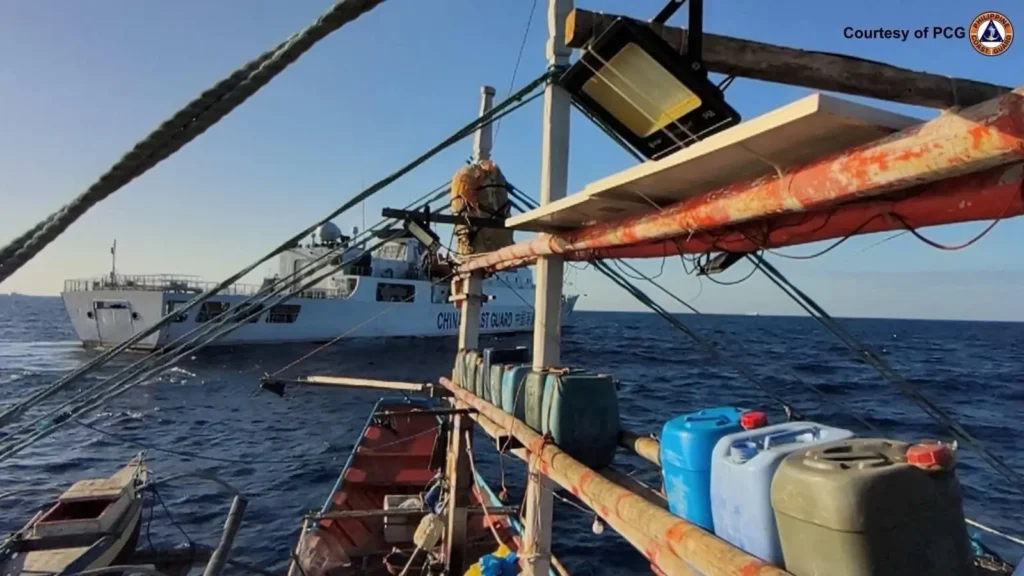
Those skeptical of ASEAN’s various maritime declarations to date, and the glacial progress of the ASEAN-China Code of Conduct on the South China Sea process will have low expectations. Several of the Philippines’ ASEAN partners will equally suspect the initiative is intended to serve as an echo chamber for Manila to amplify its Coast Guard-led transparency campaign to publicize China’s malign behavior in the West Philippine Sea.
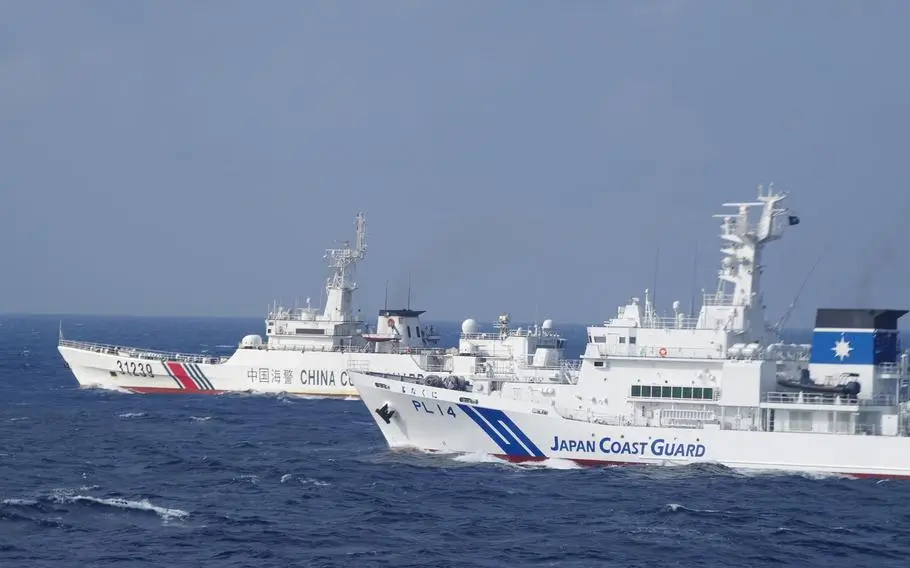
And yet, if there is an obvious reporting gap within the existing regional maritime architecture it is precisely in such inherently sensitive areas as China’s coercive naval and paramilitary maritime activities. But achieving consensus on this within an ASEAN forum would be extremely difficult, if not impossible. Equally, an operational coordination role feels like overreach. This would still leave some space for coordination on maritime environmental matters and other important, but low-hanging fruit.
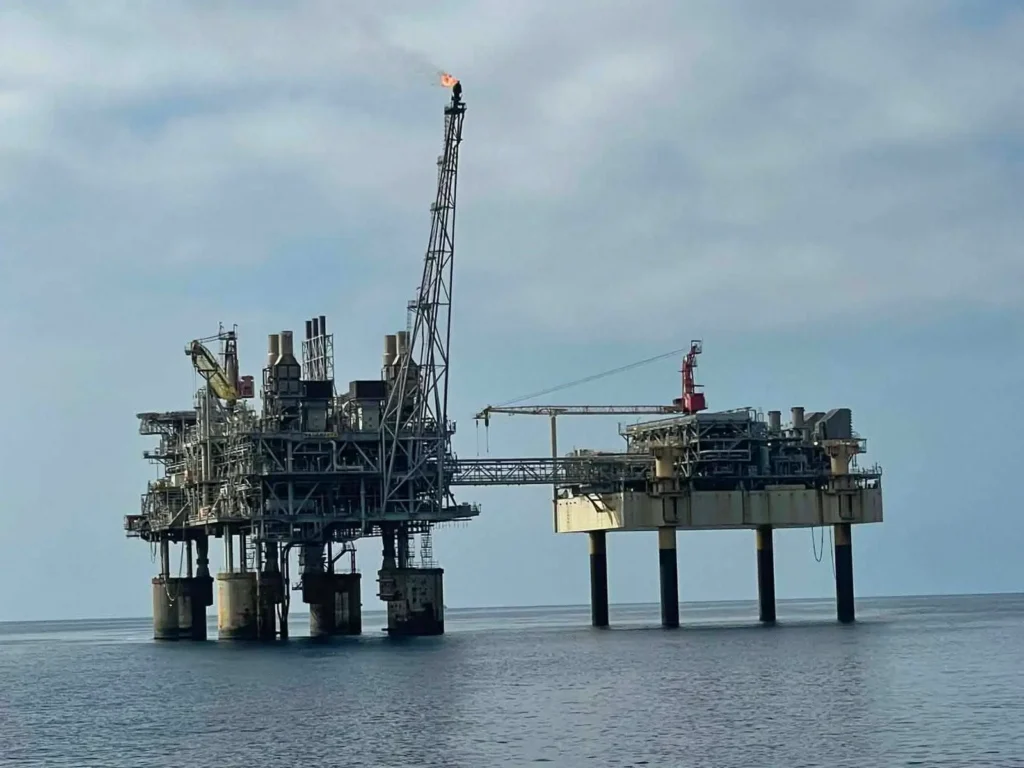
Given the global prominence of the Filipino and other Southeast Asian seafarer community, and the rising profile of merchant shipping in the ongoing conflict in the Middle East, this is another area where ASEAN could develop common policies and bolster the effectiveness of the International Maritime Organization in supporting the welfare of seafarers. Exploiting seabed energy resources is another potentially fruitful topic for intra-ASEAN cooperation, though one that rapidly runs into contending jurisdictional claims. Nonetheless, the steady accumulation of maritime boundary agreements among ASEAN members in recent years needs to be reinforced by joint commercial exploitation wherever practicable. And this is a widespread interest among ASEAN members.
Beyond ASEAN’s participation, Australia, Japan and the United States, should express their coordinated support for the new maritime center and, if invited by their ‘Squad’ partner, the Philippines, they should accredit representatives to it, even if this only means attendance by local diplomatic representatives to begin with.
The maritime center will go ahead in some form, but its role is at risk – like so much of ASEAN’s architecture – of being symbolic. If hosting it helps to break down Manila’s sense of isolation within ASEAN on the South China Sea, then that is still worth something. But this ambitious new initiative will need to develop a more focused agenda, and soon, if it is to move beyond symbolism.